
Share:

.png)
.png)
The remote work revolution is here to stay, and its impact on the Australian property market is undeniable. As more people transition from office-based roles to remote work, there’s a significant shift in property investment patterns. This movement has led to increased interest in regional properties as workers embrace the idea of living away from major metropolitan areas while still maintaining their professional careers.
In this article, we’ll explore how remote work is reshaping the regional property market in Australia, how it’s impacting investment opportunities, and why buying property in Australia-particularly in regional areas-is becoming an increasingly attractive option for investors.
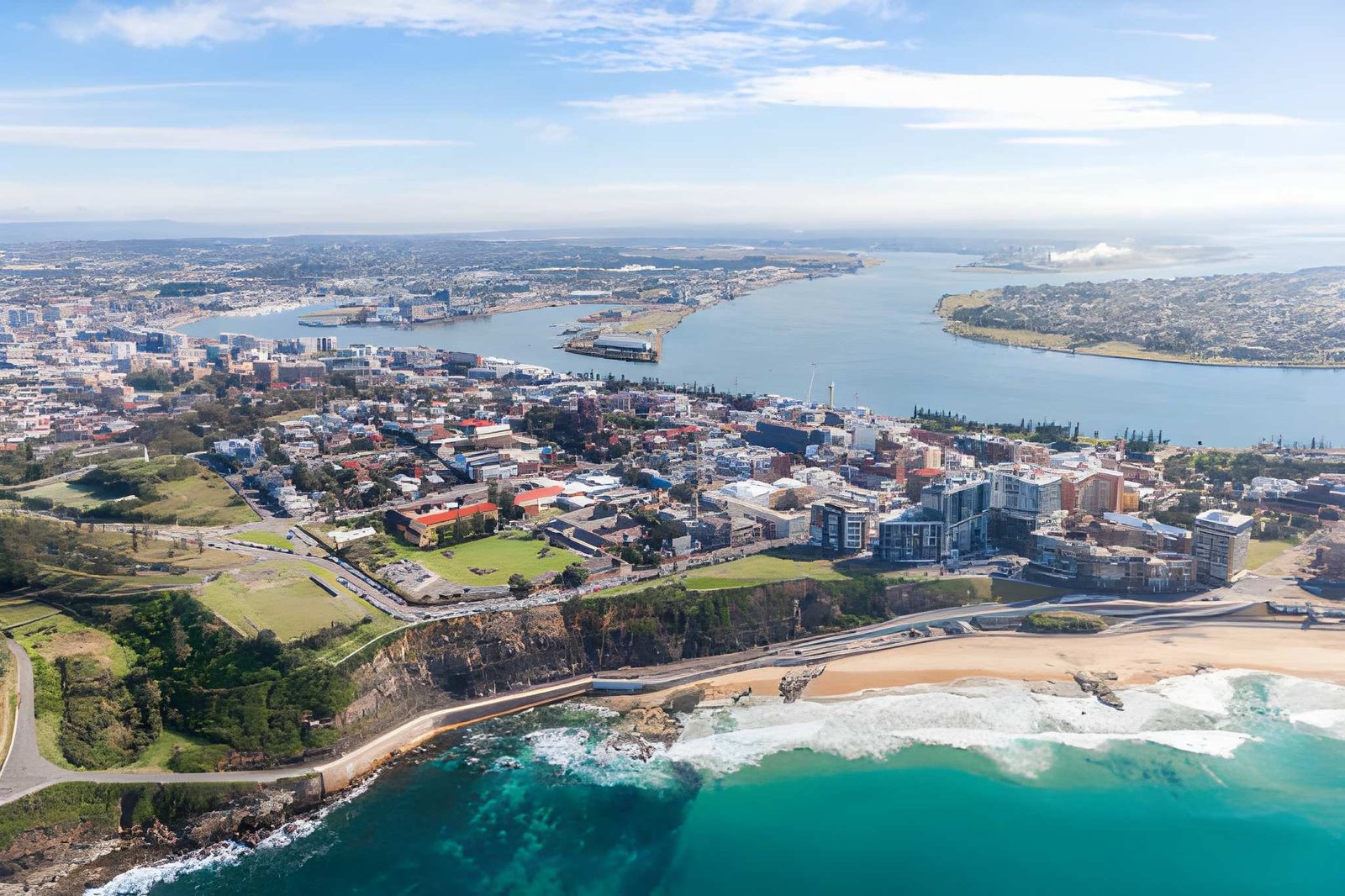
The COVID-19 pandemic was a game-changer for remote work, proving that it’s not only possible but often more efficient for employees to work from home. As businesses embraced this model, many Australians realized they could live outside the high-cost, high-density areas like Sydney or Melbourne while still holding down their jobs. With this realization came a significant shift towards regional areas where property prices are more affordable, and the quality of life is often better.
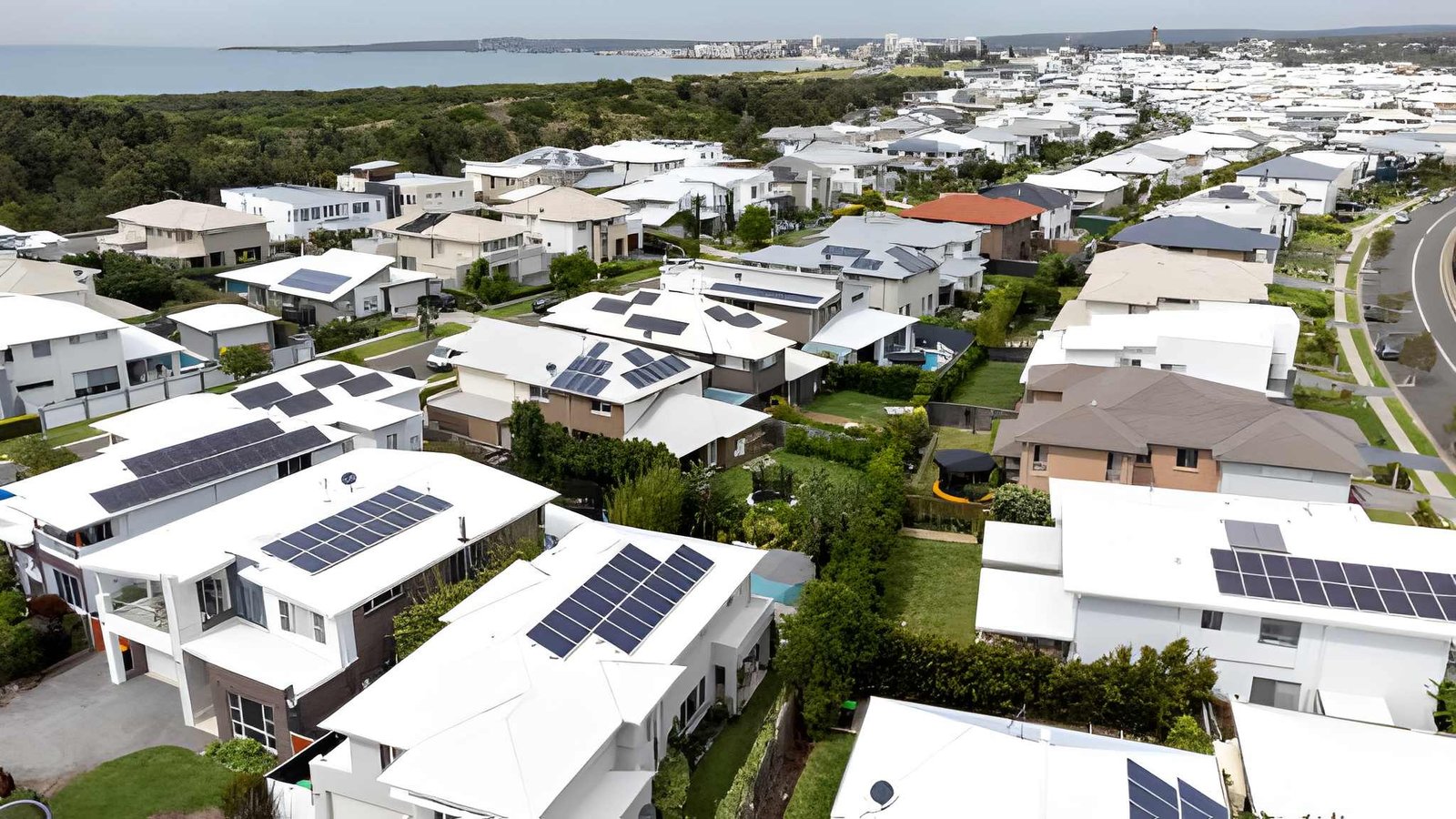
Regional areas like the Sunshine Coast, Byron Bay, and Hobart have seen dramatic increases in demand as workers seek more space, proximity to nature, and lower living costs. In fact, some regional properties have appreciated by as much as 20% over the last couple of years, making them prime candidates for property investment.
One of the most significant factors enabling this shift is the improvement in digital infrastructure. With fast and reliable internet access now available in more remote regions, workers are no longer tethered to major cities for connectivity. As broadband speeds increase and digital tools improve, remote work becomes a feasible option for individuals living in regional Australia, leading to a surge in demand for properties in these areas.
This change is creating an entirely new landscape for investors. Areas previously considered too remote or underserved are now in high demand, and regional property prices reflect this new interest.

With an increasing number of people moving away from large cities, property prices in regional areas are experiencing significant growth. In places like Queensland and New South Wales, regional property prices have risen dramatically as demand continues to exceed supply. For instance, Hobart and the Sunshine Coast have become especially popular, with some properties appreciating by 15-20% annually in recent years.
This surge in demand has created an interesting dynamic for property investors. While properties in major cities are often expensive and highly competitive, buying property in regional areas offers the potential for higher returns on investment, especially as price growth continues.
RegionPrice Growth (2023-2025)Average Property PriceKey DriversSunshine Coast15% – 20%$750,000Lifestyle appeal, proximity to BrisbaneByron Bay18%$1.2 millionTourism, remote work appealHobart12%$650,000Low cost of living, lifestyle choice
Related Read: Australia Home Prices: Where to Buy and Why It Matters
The rising demand for regional properties is contrasted with slower growth in urban areas, particularly in cities like Melbourne and Sydney, where property prices have become increasingly unaffordable. The more affordable regional properties offer investors a higher return on investment due to lower entry costs and competitive rental yields.
Investing in regional properties offers great potential, but it’s important to understand the nuances that set these markets apart from major metropolitan areas. While regional markets can provide attractive investment opportunities, they come with unique challenges, such as:
Investors should carefully evaluate the local economic drivers before committing to a regional property investment. For example, areas with strong tourism sectors, like Byron Bay or Cairns, may offer great returns on short-term rental properties, while areas near mining towns or agriculture hubs may provide higher yields for long-term rentals.
One of the primary drivers of regional property growth is population migration. As more people seek out better work-life balance, regions with growing populations are seeing increased demand for residential properties. Investors can capitalize on this by focusing on areas experiencing population growth and economic diversification.
Increased investment in regional infrastructure-such as roads, healthcare facilities, and public transport-directly influences the demand for regional properties. Governments and private companies are increasingly investing in infrastructure to make these areas more accessible and attractive, making now a great time to invest in these areas before prices rise further.
Investing in regional properties offers affordable entry points compared to larger cities. With a relatively low cost of entry, high rental yields, and the potential for capital growth, regional markets present great investment opportunities for those willing to do the necessary research.
While regional areas can offer significant opportunities, they can also be more volatile compared to major cities. Economic downturns in industries like tourism or agriculture can lead to fluctuating demand and market instability.
Selling or renting out regional properties may take longer compared to metropolitan areas. Investors should be prepared for a longer holding period in some cases.
Remote work has reshaped the way Australians view their living arrangements, making regional properties in areas like Queensland, Tasmania, and New South Wales more appealing than ever before. With affordable entry points, high rental yields, and strong growth potential, buying property in Australia’s regional markets is a smart move for investors seeking long-term returns.
The shift towards remote work and regional living is only set to continue in 2025, making now the right time to invest in property markets outside the traditional big cities.
Ready to explore buying property in Australia? Whether you’re a seasoned investor or new to the Australian property market, PropertyNXT is here to guide you through every step of your investment property journey. Contact PropertyNXT today to start your regional property investment strategy in Australia.
The remote work revolution is here to stay, and its impact on the Australian property market is undeniable. As more people transition from office-based roles to remote work, there’s a significant shift in property investment patterns. This movement has led to increased interest in regional properties as workers embrace the idea of living away from major metropolitan areas while still maintaining their professional careers.
In this article, we’ll explore how remote work is reshaping the regional property market in Australia, how it’s impacting investment opportunities, and why buying property in Australia-particularly in regional areas-is becoming an increasingly attractive option for investors.
The COVID-19 pandemic was a game-changer for remote work, proving that it’s not only possible but often more efficient for employees to work from home. As businesses embraced this model, many Australians realized they could live outside the high-cost, high-density areas like Sydney or Melbourne while still holding down their jobs. With this realization came a significant shift towards regional areas where property prices are more affordable, and the quality of life is often better.
Regional areas like the Sunshine Coast, Byron Bay, and Hobart have seen dramatic increases in demand as workers seek more space, proximity to nature, and lower living costs. In fact, some regional properties have appreciated by as much as 20% over the last couple of years, making them prime candidates for property investment.
One of the most significant factors enabling this shift is the improvement in digital infrastructure. With fast and reliable internet access now available in more remote regions, workers are no longer tethered to major cities for connectivity. As broadband speeds increase and digital tools improve, remote work becomes a feasible option for individuals living in regional Australia, leading to a surge in demand for properties in these areas.
This change is creating an entirely new landscape for investors. Areas previously considered too remote or underserved are now in high demand, and regional property prices reflect this new interest.
With an increasing number of people moving away from large cities, property prices in regional areas are experiencing significant growth. In places like Queensland and New South Wales, regional property prices have risen dramatically as demand continues to exceed supply. For instance, Hobart and the Sunshine Coast have become especially popular, with some properties appreciating by 15-20% annually in recent years.
This surge in demand has created an interesting dynamic for property investors. While properties in major cities are often expensive and highly competitive, buying property in regional areas offers the potential for higher returns on investment, especially as price growth continues.
RegionPrice Growth (2023-2025)Average Property PriceKey DriversSunshine Coast15% – 20%$750,000Lifestyle appeal, proximity to BrisbaneByron Bay18%$1.2 millionTourism, remote work appealHobart12%$650,000Low cost of living, lifestyle choice
Related Read: Australia Home Prices: Where to Buy and Why It Matters
The rising demand for regional properties is contrasted with slower growth in urban areas, particularly in cities like Melbourne and Sydney, where property prices have become increasingly unaffordable. The more affordable regional properties offer investors a higher return on investment due to lower entry costs and competitive rental yields.
Investing in regional properties offers great potential, but it’s important to understand the nuances that set these markets apart from major metropolitan areas. While regional markets can provide attractive investment opportunities, they come with unique challenges, such as:
Investors should carefully evaluate the local economic drivers before committing to a regional property investment. For example, areas with strong tourism sectors, like Byron Bay or Cairns, may offer great returns on short-term rental properties, while areas near mining towns or agriculture hubs may provide higher yields for long-term rentals.
One of the primary drivers of regional property growth is population migration. As more people seek out better work-life balance, regions with growing populations are seeing increased demand for residential properties. Investors can capitalize on this by focusing on areas experiencing population growth and economic diversification.
Increased investment in regional infrastructure-such as roads, healthcare facilities, and public transport-directly influences the demand for regional properties. Governments and private companies are increasingly investing in infrastructure to make these areas more accessible and attractive, making now a great time to invest in these areas before prices rise further.
Investing in regional properties offers affordable entry points compared to larger cities. With a relatively low cost of entry, high rental yields, and the potential for capital growth, regional markets present great investment opportunities for those willing to do the necessary research.
While regional areas can offer significant opportunities, they can also be more volatile compared to major cities. Economic downturns in industries like tourism or agriculture can lead to fluctuating demand and market instability.
Selling or renting out regional properties may take longer compared to metropolitan areas. Investors should be prepared for a longer holding period in some cases.
Remote work has reshaped the way Australians view their living arrangements, making regional properties in areas like Queensland, Tasmania, and New South Wales more appealing than ever before. With affordable entry points, high rental yields, and strong growth potential, buying property in Australia’s regional markets is a smart move for investors seeking long-term returns.
The shift towards remote work and regional living is only set to continue in 2025, making now the right time to invest in property markets outside the traditional big cities.
Ready to explore buying property in Australia? Whether you’re a seasoned investor or new to the Australian property market, PropertyNXT is here to guide you through every step of your investment property journey. Contact PropertyNXT today to start your regional property investment strategy in Australia.