
Share:

.png)
.png)
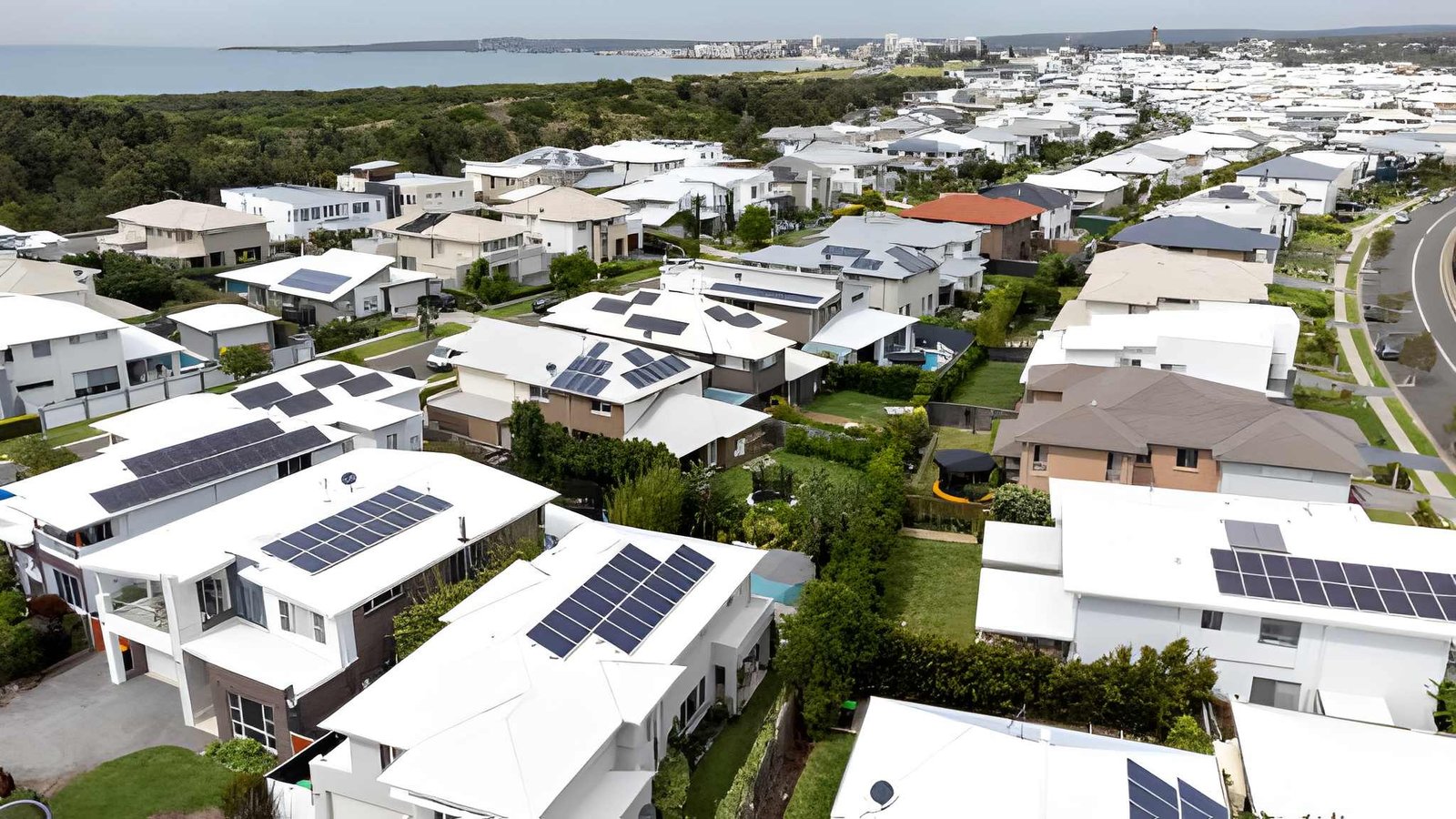
Australia’s property scene is changing fast. Smart homes once a nice-to-have are becoming mainstream in modern housing. With rising demand for energy efficiency, high-tech security, automation and smarter living, technology is starting to influence both how Australians live and how investors value residential and real estate in Australia.
This shift is particularly relevant for overseas buying property in Australia because smart homes are emerging as a sub-segment that offers distinct appeal and potential resilience in an otherwise competitive Australian property market.
Smart homes integrate automated lighting, climate controls, voice assistants, IoT-enabled security systems and more. In Australia, the trend has matured significantly. Developers in cities such as Sydney, Melbourne and Brisbane are embedding these systems from the design stage.
For investors, smart homes are not just about convenience. They promise better tenant appeal, improved energy ratings (which often translate to lower running costs), and potentially stronger resale value in markets where standard homes are the norm.
Keywords used: real estate in Australia, buying property in Australia, Australian property investment
If you’re exploring property investment or considering buying real estate in Australia, smart homes introduce several strategic advantages:
When the broader investment property market is slowing or adjusting, technology-enabled homes provide a way to stand out. For expats in Singapore, Hong Kong or the UAE exploring overseas buying property in Australia, recognising this trend early can give a competitive edge.
In Sydney, developers are embedding smart home features as standard in luxury apartments and new townhouses. For example, smart climate systems, voice-enabled security and EV-ready infrastructure are becoming common. If you’re looking at real estate Sydney, smart features help differentiate one property from another.
Melbourne offers slightly lower entry costs than Sydney but is catching up fast in terms of tech-driven design. With Melbourne property prices among the more stable in Australia, units or townhouses with smart features become appealing for investors seeking a balance of value and tech-forward living.
Brisbane is benefiting from population growth and investment inflows. In the suburbs around the city, mid-range developments bundle smart-home packages (smart lighting, security, energy-efficiency) at more accessible price points. For budgets and growth-oriented investors, Brisbane property with smart features warrants a close look.
Australia’s major cities each tell a different story when it comes to rental yields. While some markets are driven by affordability and resource demand, others rely on long-term growth and population inflow. For expats deciding where to buy, it helps to see the bigger picture side by side, how prices, yields, and trends stack up across the Australian property market in 2025.
If you’re an expat based in Singapore, Hong Kong or the UAE and considering property in Australia, here are practical items to check:
By asking these questions early, you reduce risk and position yourself to capture the premium that smart homes can command.
While smart homes carry significant promise, there are drawbacks you need to be realistic about:
In short: don’t assume smart features automatically guarantee better performance. They give you opportunity but you still need to treat the investment like any other asset.
The rise of smart homes signals a broader shift in the Australian residential market towards homes that are not only physical assets but part of a connected lifestyle. For investors focused on buying property in Australia from abroad, smart homes represent a way to align with future-driven living and potentially stronger demand.
Whether you’re looking at Sydney, Melbourne or Brisbane, the property market is evolving. Smart features are becoming part of what differentiates good properties from average ones. As such, investing into the smart-home segment may offer a competitive advantage in a market that many overseas buyers now consider.
If you are ready to explore this space, working with an experienced agent who understands both the international buyer’s mindset and Australia’s residential market will position you better.
Q: Are smart homes more expensive to purchase in Australia?
A: Yes, they often carry a premium compared to standard homes, but the value comes through tenant attraction, lower running costs and potential resale strength. You’ll need to weigh the additional cost against these ongoing benefits.
Q: Do smart-home features really improve rental yield?
A: It depends. In desirable areas and for target tenant profiles (international professionals, tech-savvy renters), yes. But the increment depends on clear differentiation and evidence of demand
Q: Can expats buy smart homes in Australia easily?
A: Generally yes, though you’ll still need to navigate foreign investment rules, financing, tax and local regulations. Smart features don’t change the standard process they add value if you assess them properly.
Q: Which Australian cities provide the best opportunity for smart-home investment?
A: Sydney, Melbourne and Brisbane currently offer strong potential. Sydney for premium luxury, Melbourne for value + tech design, Brisbane for growth. But always assess local supply, demand, price trends and smart-tech integration.
If you’re an overseas investor based in Singapore, Hong Kong or the UAE and want to explore smart-home investment in Australia, get in touch with PropertyNXT. Let’s map out your options in Sydney, Melbourne or Brisbane and identify smart-enabled residential projects that match your criteria.
Australia’s property scene is changing fast. Smart homes once a nice-to-have are becoming mainstream in modern housing. With rising demand for energy efficiency, high-tech security, automation and smarter living, technology is starting to influence both how Australians live and how investors value residential and real estate in Australia.
This shift is particularly relevant for overseas buying property in Australia because smart homes are emerging as a sub-segment that offers distinct appeal and potential resilience in an otherwise competitive Australian property market.
Smart homes integrate automated lighting, climate controls, voice assistants, IoT-enabled security systems and more. In Australia, the trend has matured significantly. Developers in cities such as Sydney, Melbourne and Brisbane are embedding these systems from the design stage.
For investors, smart homes are not just about convenience. They promise better tenant appeal, improved energy ratings (which often translate to lower running costs), and potentially stronger resale value in markets where standard homes are the norm.
Keywords used: real estate in Australia, buying property in Australia, Australian property investment
If you’re exploring property investment or considering buying real estate in Australia, smart homes introduce several strategic advantages:
When the broader investment property market is slowing or adjusting, technology-enabled homes provide a way to stand out. For expats in Singapore, Hong Kong or the UAE exploring overseas buying property in Australia, recognising this trend early can give a competitive edge.
In Sydney, developers are embedding smart home features as standard in luxury apartments and new townhouses. For example, smart climate systems, voice-enabled security and EV-ready infrastructure are becoming common. If you’re looking at real estate Sydney, smart features help differentiate one property from another.
Melbourne offers slightly lower entry costs than Sydney but is catching up fast in terms of tech-driven design. With Melbourne property prices among the more stable in Australia, units or townhouses with smart features become appealing for investors seeking a balance of value and tech-forward living.
Brisbane is benefiting from population growth and investment inflows. In the suburbs around the city, mid-range developments bundle smart-home packages (smart lighting, security, energy-efficiency) at more accessible price points. For budgets and growth-oriented investors, Brisbane property with smart features warrants a close look.
Australia’s major cities each tell a different story when it comes to rental yields. While some markets are driven by affordability and resource demand, others rely on long-term growth and population inflow. For expats deciding where to buy, it helps to see the bigger picture side by side, how prices, yields, and trends stack up across the Australian property market in 2025.
If you’re an expat based in Singapore, Hong Kong or the UAE and considering property in Australia, here are practical items to check:
By asking these questions early, you reduce risk and position yourself to capture the premium that smart homes can command.
While smart homes carry significant promise, there are drawbacks you need to be realistic about:
In short: don’t assume smart features automatically guarantee better performance. They give you opportunity but you still need to treat the investment like any other asset.
The rise of smart homes signals a broader shift in the Australian residential market towards homes that are not only physical assets but part of a connected lifestyle. For investors focused on buying property in Australia from abroad, smart homes represent a way to align with future-driven living and potentially stronger demand.
Whether you’re looking at Sydney, Melbourne or Brisbane, the property market is evolving. Smart features are becoming part of what differentiates good properties from average ones. As such, investing into the smart-home segment may offer a competitive advantage in a market that many overseas buyers now consider.
If you are ready to explore this space, working with an experienced agent who understands both the international buyer’s mindset and Australia’s residential market will position you better.
Q: Are smart homes more expensive to purchase in Australia?
A: Yes, they often carry a premium compared to standard homes, but the value comes through tenant attraction, lower running costs and potential resale strength. You’ll need to weigh the additional cost against these ongoing benefits.
Q: Do smart-home features really improve rental yield?
A: It depends. In desirable areas and for target tenant profiles (international professionals, tech-savvy renters), yes. But the increment depends on clear differentiation and evidence of demand
Q: Can expats buy smart homes in Australia easily?
A: Generally yes, though you’ll still need to navigate foreign investment rules, financing, tax and local regulations. Smart features don’t change the standard process they add value if you assess them properly.
Q: Which Australian cities provide the best opportunity for smart-home investment?
A: Sydney, Melbourne and Brisbane currently offer strong potential. Sydney for premium luxury, Melbourne for value + tech design, Brisbane for growth. But always assess local supply, demand, price trends and smart-tech integration.
If you’re an overseas investor based in Singapore, Hong Kong or the UAE and want to explore smart-home investment in Australia, get in touch with PropertyNXT. Let’s map out your options in Sydney, Melbourne or Brisbane and identify smart-enabled residential projects that match your criteria.