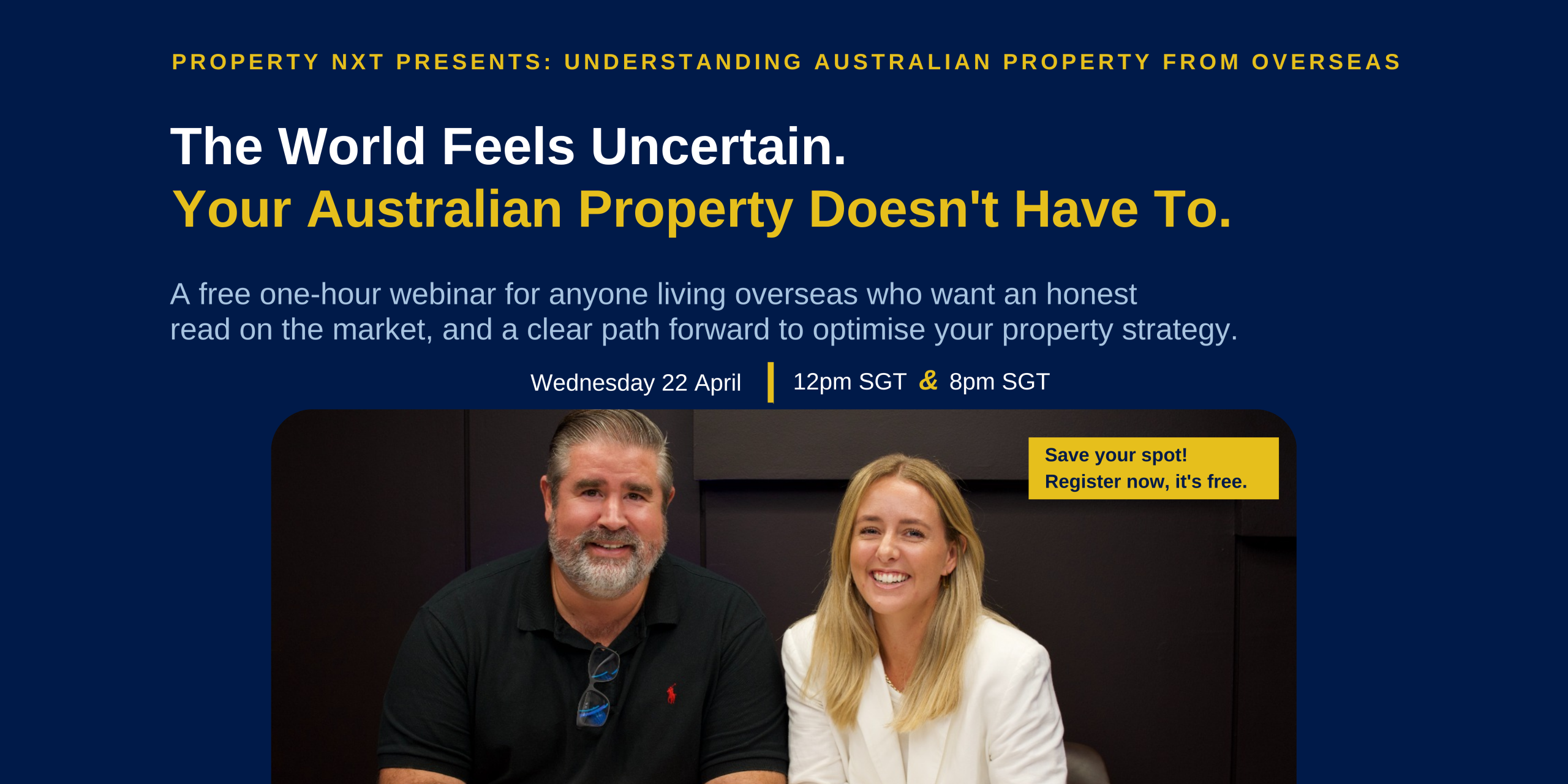
The Australian real estate market has always been a beacon of wealth creation for investors from other countries, especially those who gaze over the Timor and Arafura oceans from places like Singapore. It’s appealing to buy property down under since the legal system is quite clear, capital growth has been steady over time, and the economy is strong. But it can be quite hard to acquire property in another nation, deal with multiple time zones, and learn about rules that are new to you.
If you are an expatriate or a foreign national who wants to take advantage of Australia’s profitable property market, you will need to plan carefully in order to be successful. It doesn’t have to take years to get from your native country to owning an Australian property investment. You may go from being a curious onlooker to a confident landlord in just three months if you follow a planned, step-by-step plan.
The "Singapore to Sydney" Roadmap
This is the only handbook you’ll need for your first 90 days of investing as a foreign buyer.
Month 1 (Days 1–30): Setting the Stage and Making the Rules Clear
Your first thirty days should be all about learning, getting your finances in order, and learning about the special laws that apply to buying property in Australia as a non-resident.
1. Know what the FIRB needs
The Foreign Investment Review Board (FIRB) is the biggest problem for every foreign investor. The Australian government keeps an eye on foreign investment to make sure it helps the economy. In general, foreign non-residents can only buy new homes, off-the-plan residences, or property that is empty and ready for construction. You normally can’t buy existing (second-hand) homes unless you have a special temporary residency visa. If you understand these rules early on, you won’t waste time looking at properties that you can’t lawfully buy.
2. Set a budget for your foreign investor
As an overseas shopper, figuring out your budget isn’t just a matter of changing your currency from SGD (or your native currency) to AUD. You need to include extra fees for foreign buyers. Most Australian states charge foreign buyers an extra fee on top of the normal stamp duty. This fee can be anywhere from 4% to 8%, depending on whether you are buying in New South Wales, Victoria, Queensland, or another state.
Also, it’s gotten harder for non-residents to get loans in the last few years. You should talk to a mortgage broker who works with people from other countries and knows how to deal with foreign income. You should expect to need a bigger down payment—usually between 30% and 40%—to get a loan from Australian lenders. However, foreign banks who do business in your home country may have other financing options.
3. Make a plan for your strategy
Are you searching for high rental yields to cover your holding costs, or are you looking for fast capital growth in blue-chip suburbs? If you’re buying property from another country, you need to have a “set and forget” plan that focuses on low-maintenance properties that will attract good tenants.
Days 31–60 of Month 2: Do Market Research and Build Your Local Team
The second month is about closing the gap between where you are and where you want to be, now that you know your budget and have a good understanding of FIRB. You can’t drive through the neighbourhoods of Sydney, Melbourne, or Brisbane every weekend to see open houses. So, you need to put together a trustworthy local team that will be your eyes, ears, and advocates on the ground.
1. Put Together Your “A-Team” in Australia
Four critical professions are needed to make a smooth cross-border transaction:
- A mortgage broker who specializes in getting your pre-approval utilizing money from another country.
- A local conveyancer or lawyer: to look over contracts and make sure your FIRB applications are done perfectly.
- A property manager: someone who finds renters and takes care of the property after it is bought.
- An agent for buyers: this is your most important asset. We at Property NXT are experts in helping purchasers from other countries. We use our extensive knowledge of the local market to discover, appraise, and secure high-quality investment properties for you.
2. Look at the Markets
There are thousands of micro-markets in Australia, not just one big property market. Sydney is a world-class city with a strong long-term growth potential, but cities like Brisbane and Perth may have better entry prices and greater rental yields. Your buyer’s agent will assist you in finding the right state, city, and suburb that fits with your overseas investment plan. We will give you all the information you need on infrastructure developments, population growth, and vacancy rates so that you can be sure your money is going into a high-growing area.
Month 3 (Days 61–90): Protecting the Asset and Making Your Move
You have your money ready, your lawyers ready, and your FIRB plan ready. You have hired experts to help you. The last 30 days are all about making a short list, doing thorough research, and getting things done.
1. Shortlisting and Online Inspections
Your buyer’s agent will find both on-market and off-market properties that meet FIRB standards, like high-quality off-the-plan townhouses or brand-new flats in small projects. Since you’re in another country, you’ll depend a lot on digital walk-throughs, in-depth video inspections, and thorough building reports. A good realtor will not only show you the good things about a home, such as how close it is to a busy road or how bad the view is, but also the bad things, so you can be sure you’re buying with full knowledge.
2. Negotiation and Getting FIRB Approval
The negotiation stage starts once the right property has been found. Your realtor will fight hard for you to get the property at a reasonable market price. At this point, it’s very important that your conveyancer makes sure that the contract of sale is approved by the FIRB. Once your offer is accepted, your legal team will send your application to the Foreign Investment Review Board in an official way. Usually, this approval process is easy if you prepare well.
3. Exchange and Settlement
You will sign the documents and pay your deposit once FIRB gives its clearance and the contract is no longer conditional. In Australia, the settlement phase usually lasts between 30 and 90 days. During this time, your property manager will start to advertise the property to potential tenants. They will try to find someone to move in on the same day you formally gain ownership.
4. Bridging the Gap with Confidence
It takes guts to invest in a foreign market from thousands of kilometres away, but more importantly, it takes a detailed plan and the proper local partners. Foreign investors who are serious about the Australian market and get competent advice can still make a lot of money there.
You don’t have to deal with the complicated world of foreign buyer duties, FIRB paperwork, and choosing a remote property on your own. If you have help from local specialists, you can make the scary idea of investing internationally into a smooth, very rewarding 90-day trip.
We can help you get started on your “Singapore to Sydney” path and establish a strong, high-performing Australian property portfolio from outside the country. Please contact us today and let our devoted team help you make your global investing ambitions a reality.